"Being active is safe and healthy during pregnancy. It is far better for the health of the pregnancy than being sedentary."
(Budler and Budler, 2022; Tommy's Charity 2024)
Physical activity is an important aspect of life contributing to our physical and mental health and wellbeing. There are periods of our life when being active is taken for granted and other times when we may need to muster the motivation to be consistent in making exercise part of daily life.
Life events present opportunities for reassessment and behavioural changes in various aspects of our daily activities including physical lifestyle, nutrition, employment and networking into expanded social communities. Childbearing is one such event that offers motivation to make modifications and improvements to habits and behaviours.
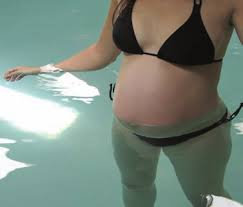
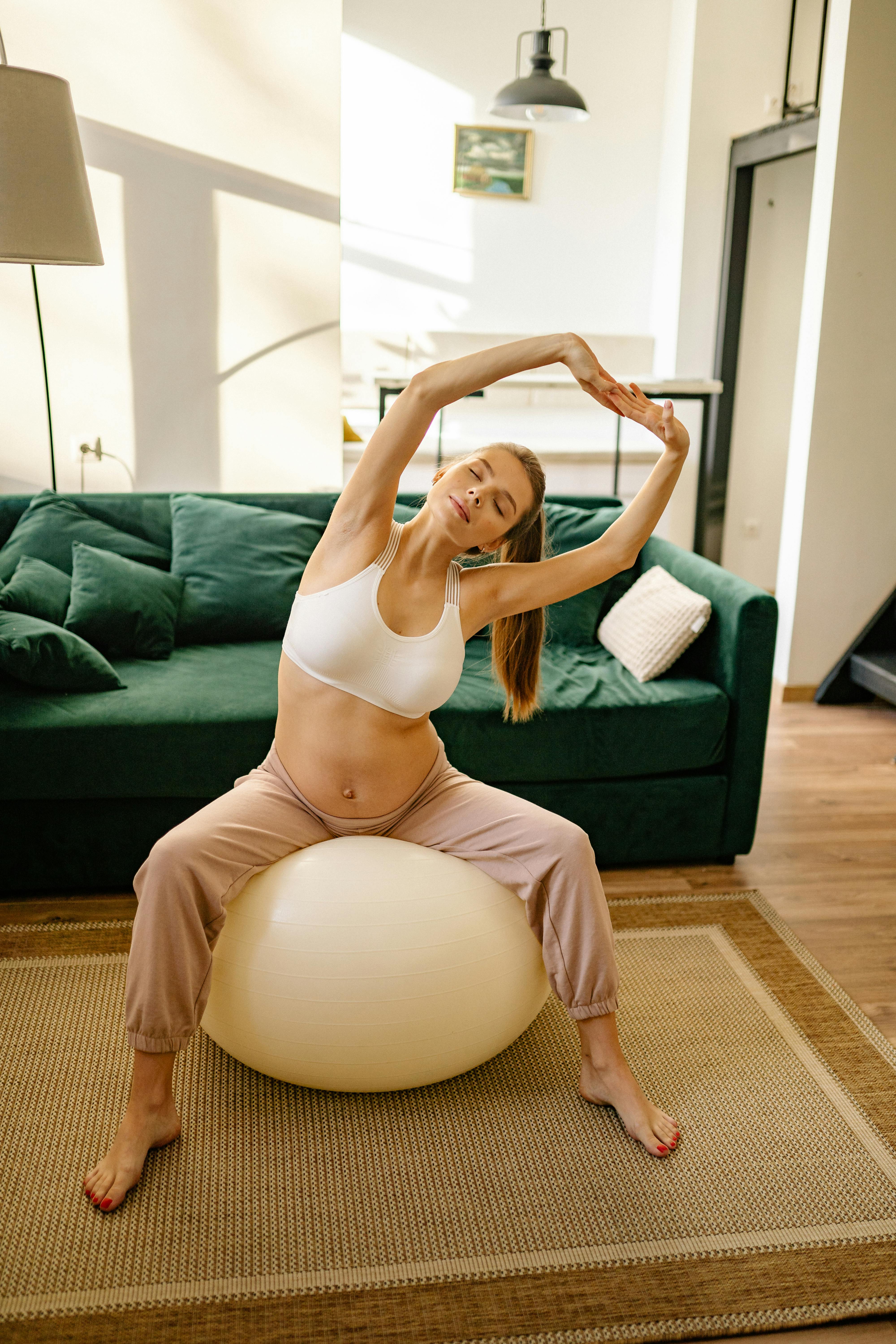
Pregnancy Changes
Childbearing brings changes to the anatomy and varied physiological adjustments within most systems of a woman's body, all associated with the development and nurturing of the baby. Pregnancy discomforts are often due to:
1. Postural changes within the musculoskeletal system which alter body alignment linked to the effect of hormones on tendons and joints and overall postural positioning along the spine,
2. Increasing weight as pregnancy advances by: fetal growth, and new tissue for several body systems, affecting gravity, gait and balance.
Pregnancy is also a time of huge psychological and emotional change, as you navigate thoughts and emotions about your personal social transition across the childbirth continuum into motherhood. The transformational path includes various experiences of healthcare as well as the influences at home, in communities and in the workplace.
Exercise in pregnancy
Staying active during pregnancy offers several benefits for both the mother-to-be and the baby (Gascoigne et al., 2023). Here are some reasons why exercise is important during pregnancy:
Adaptation to body changes such as weight gain and altered body shape
Preparation for labour and birth
Reduces the risks of developing complications. for example gestational diabetes, high blood pressure and need for caesarean section
Mental wellbeing by improving your mood
Heart health and stamina
Better sleep patterns
Reduce constipation and bloating
Recommendations
Current recommendations for pregnancy are 150 minutes per week of moderate intensity exercise, including muscle strengthening activities twice a week (UK Chief Medical Officers and RCOG, 2019).
Avoid risky exercise such as contact sports or strenuous exercise modes.
These are some safe exercise options:
Walking: A simple and effective way to stay active. Aim for 30 minutes of walking daily.
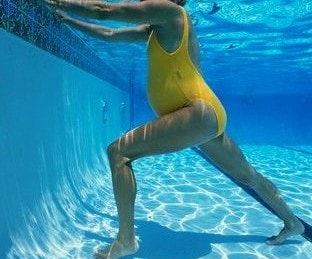
Swimming: The water supports your increased weight and is gentle on joints.
Cycling (stationary): A low-impact option that’s safe during pregnancy.
Aerobics (low-impact): Modify high-impact moves to suit your growing belly.
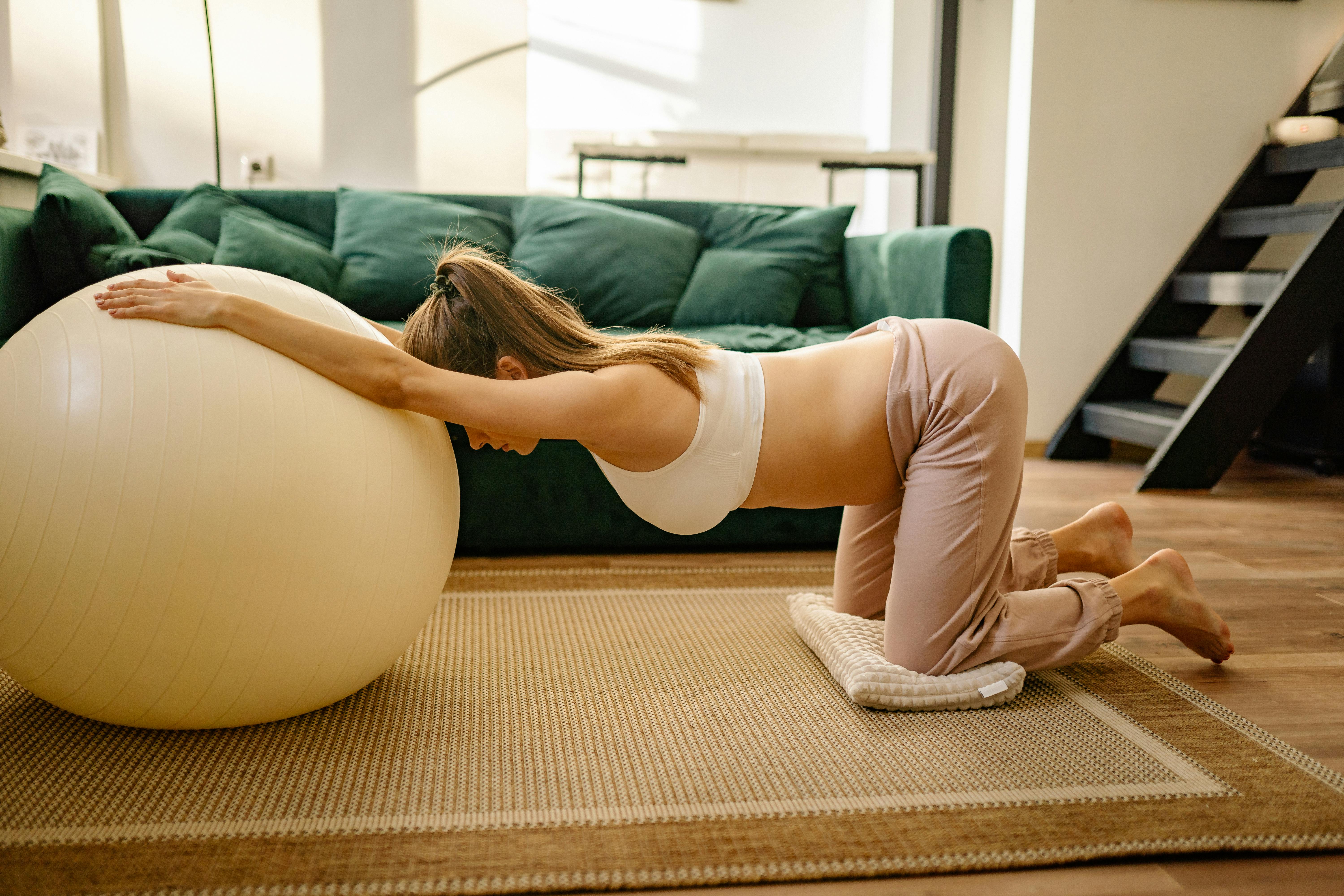
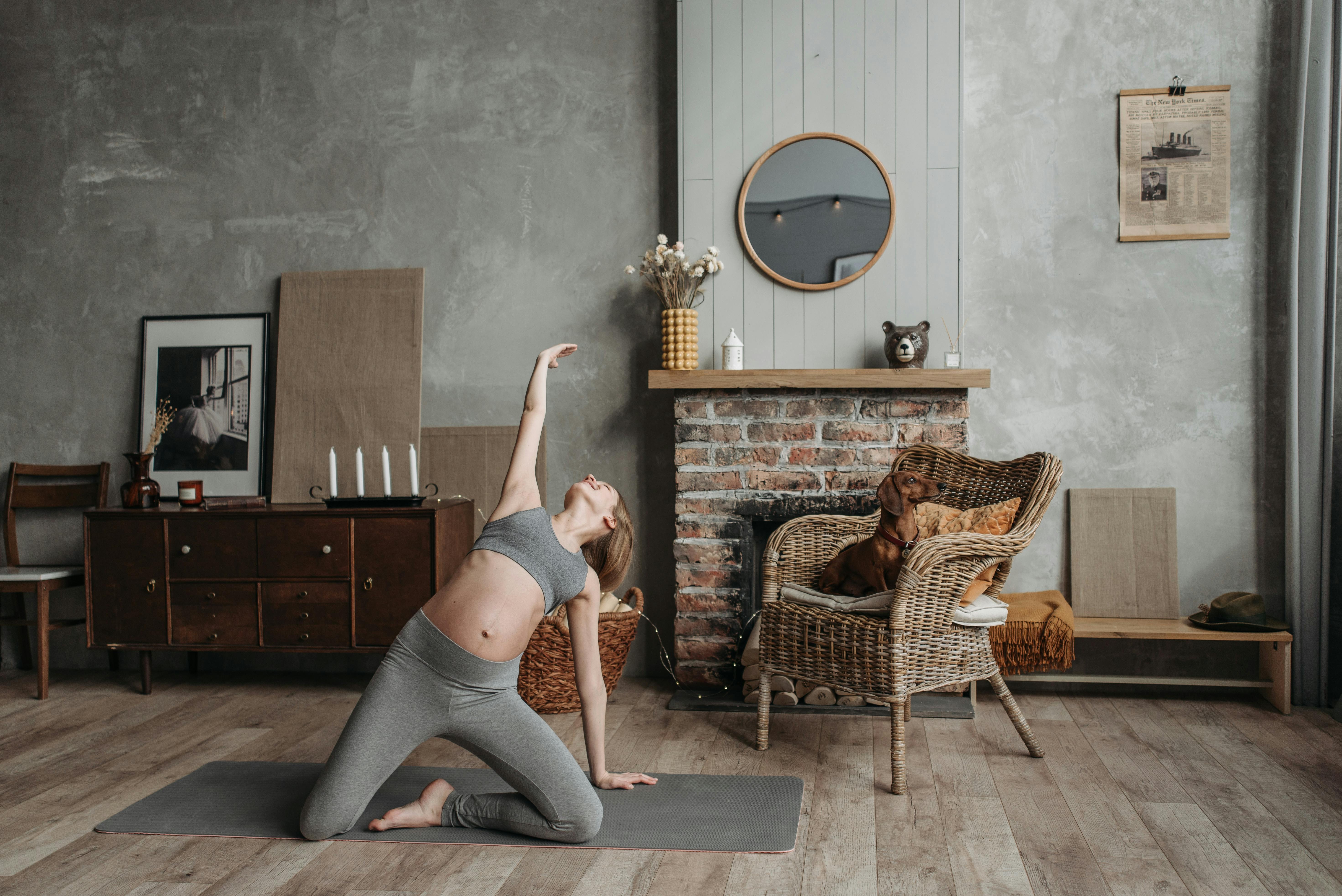
Yoga and Pilates: These can help strengthen muscles and improve circulation.
Remember to listen to your body and adapt the activity for you.
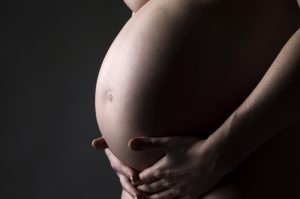
Specific Conditions
Diastisis Recti also known as rectus abdominis diastasis, refers to the separation of the rectus abdominis muscles during and after pregnancy. During pregnancy, the abdominal muscles stretch to accommodate the growing baby, and the linea alba (a band of tissue that divides the left and right sides of the rectus abdominis) thins as the rectus abdominus muscles pulls apart over the growing uterus. The condition is noted by a gap between the abdominal muscles above, below, or around the umbilicus when the rectus muscles are tensed.
Specific exercises can assist in managing the condition which occurs commonly during pregnancy. While the linea alba can recover after childbirth, the rectus abdominus muscles may not align and close completely. This condition can cause the abdomen to appear bulged for quite a while after giving birth.
Pelvic Girdle Disorder also known as pregnancy-related pelvic girdle pain (PGP) or symphysis pubis dysfunction (SPD), refers to discomfort caused by laxity in the pelvic joints or uneven movement of these joints at the back or front of the pelvis. Symptoms may include pain over the pubic bone, lower back, and thighs, and sometimes a clicking or grinding sensation in the symphysis pubis area.
While PGP isn’t harmful to the baby, it can be painful and affect mobility. Physiotherapy, specific exercises and support measures can help manage the symptoms during pregnancy and assist in the recovery after birth.
Pelvic floor dysfunction refers to a condition in which the pelvic floor muscles around the bladder, anal canal, and vagina do not function properly leading to various symptoms and disorders, including:
Urinary and/or Faecal incontinence: Involuntary leakage of urine and/or stool.
Emptying disorders of the bladder and/or bowel: Difficulty fully emptying the bladder and/or the bowel.
Pelvic organ prolapse: Descent or displacement of pelvic organs (such as the uterus or bladder) due to weakened pelvic floor support.
Sexual dysfunction: Challenges related to sexual function.
Chronic pelvic pain: Persistent discomfort in the pelvic region.
These muscles play a crucial role in supporting the pelvic organs and maintaining continence. During pregnancy, the growing womb places stress on the pelvic floor muscles, and hormonal changes also impact their function. Early diagnosis, use of pelvic floor exercises and management of the bladder and bowel symptoms with physiotherapy and lifestyle adjustments can help with the resolution of symptoms which may require additional physical therapy treatment after childbirth.
Bowman, K., 2016. Diastasis Recti: The Whole-Body Solution to Abdominal Weakness and Separation. London; Uphill Books.
Budler, L., and Budler, M., 2022. Physical activity during pregnancy: a systematic review for the assessment of current evidence with future recommendations. BMC Sports Science, Medicine and Rehabilitation. 14 (article 133), July.
Gascoigne, E., Webster, C., West Honart, A., Wang, P., Ryan-Smith, A., and Manuck, T., 2023. Physical activity and pregnancy outcomes: an expert review. American Journal of Obstetrics and Gynaecology. 5 (1) January.
Pelvic, Obstetric and Gynaecological Physiotherapy (POGP). See: https://thepogp.co.uk/patient_information/womens_health/pregnancy_pgp_lbp.aspx
Tommy's Charity. 2024. Exercise during pregnancy. Available from: https://www.tommys.org/pregnancy-information/im-pregnant/being-healthy/exercise
UK Chief Medical Officers and RCOG, 2019. Physical activity and pregnancy. Available from: https://www.rcog.org.uk/for-the-public/browse-our-patient-information/physical-activity-and-pregnancy/
Patter of Tiny Feet
© 2026 Systeme.io